From the first site search to the day people move in, a small infill project often takes about two years and a mid-rise that needs a rezoning often takes five or more. Construction is rarely the longest part. The approvals in the middle are, and they vary the most from city to city. The biggest single lever is whether the project is allowed as of right.
Rule of thumb for a large Canadian or US city, not a schedule for any municipality. Bars overlap because teams start the next phase before the last one ends.
The same steps apply to a fourplex and a mid-rise. The approvals in the middle are what stretch.
Each extra approval adds its own application, circulation, revisions and, often, a public meeting.
Rules of thumb, not sourced averages. Appeals, such as to Ontario’s Land Tribunal, can add a year or more.
A few provinces and states set how long a city has to decide. Real reviews often run longer.
In Ontario, missing the period lets the applicant appeal for non-decision; it does not approve the project. Texas requires a city to approve, conditionally approve or disapprove a plat within 30 days of filing. Clocks start only once an application is complete. Check the current statute before relying on a date.
Since Bill 44, many residential rezonings that match the official community plan skip the public hearing.
Pre-application meetings tell you which studies the city will ask for, before the clock starts.
A lot that misses a zoning minimum can need a variation before anything else moves.
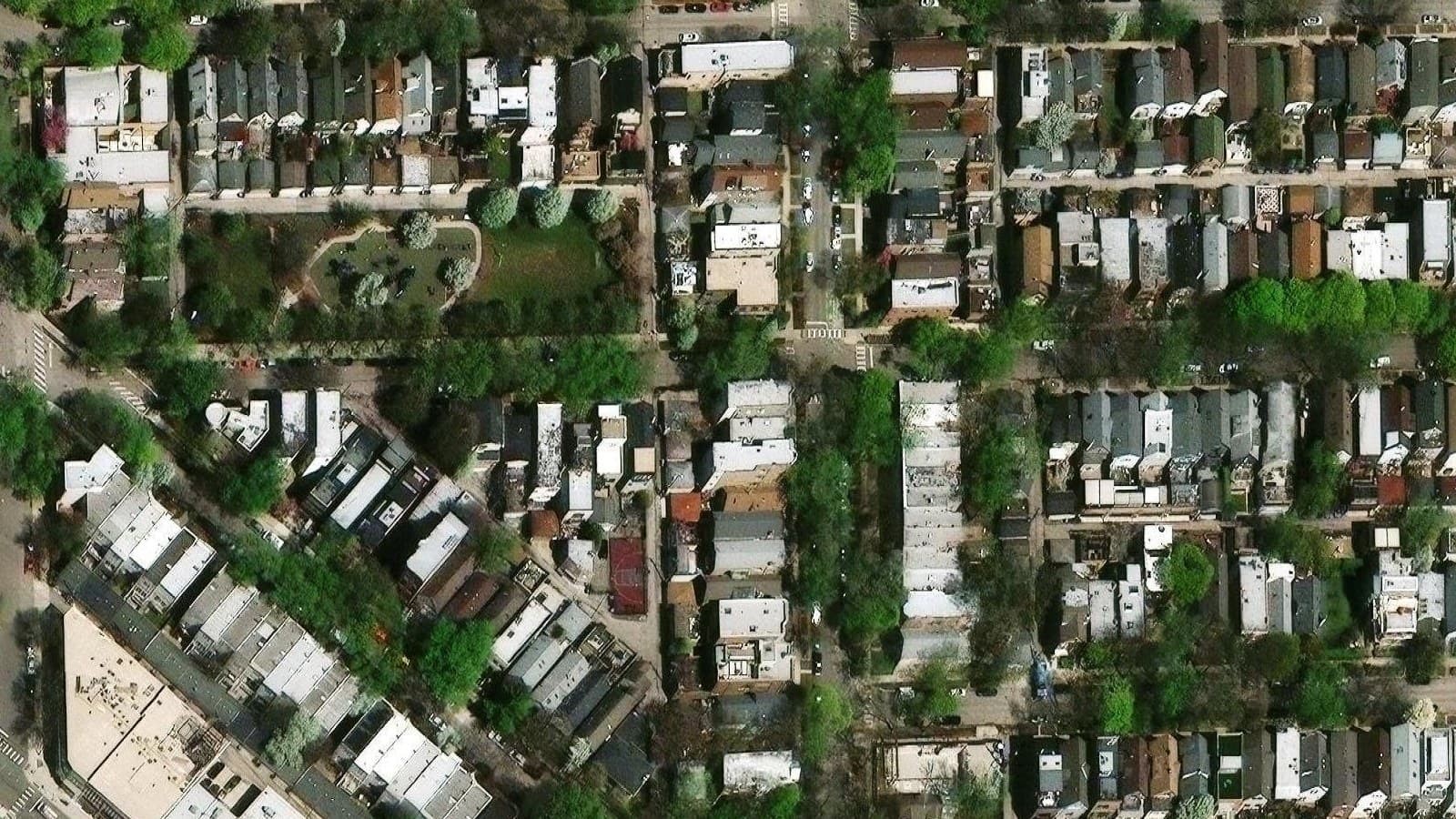 Imagery: Esri World Imagery
Live Bucky snapshot. The lot is about 93 ft² short of the RS-3 minimum. Older lots of record can have relief, so confirm with the city before you plan around a variation. Either way, you want to know this at phase 01, not at permit.
Most time is saved before an application is filed.
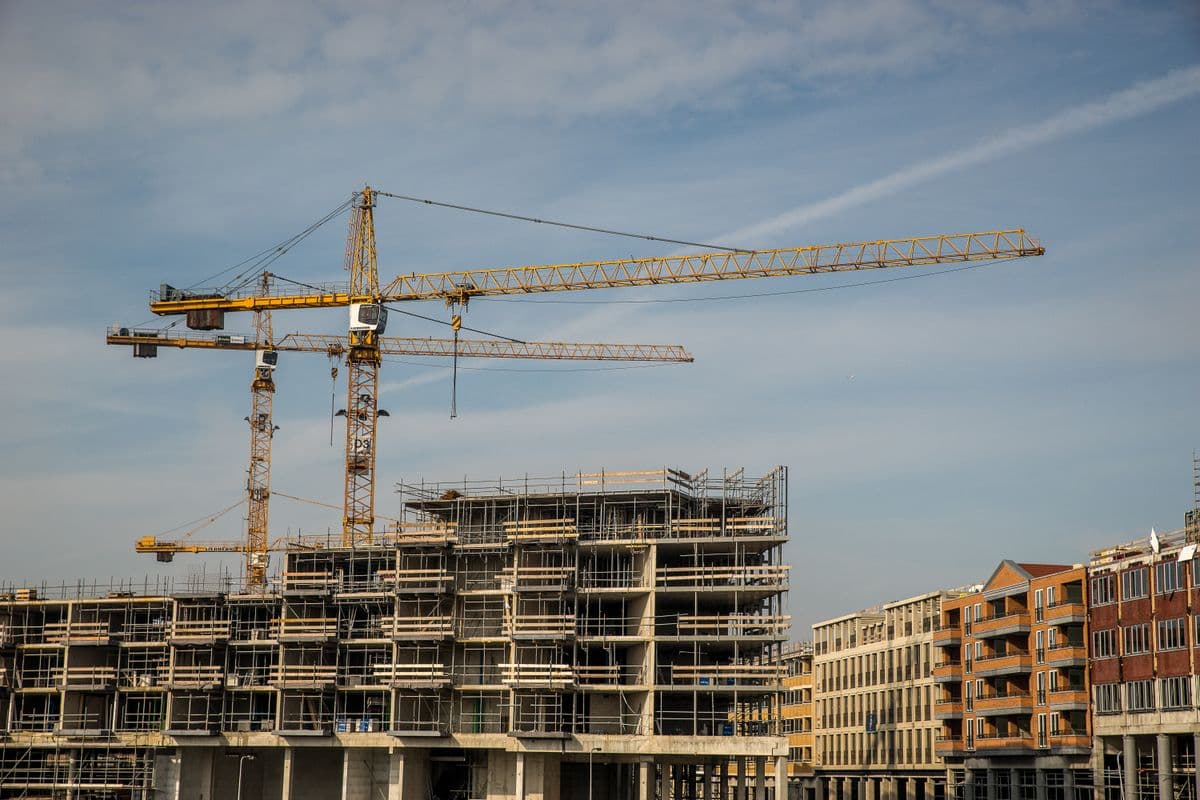
For projects that need a rezoning, usually the approvals. For projects allowed as of right, usually construction. That is why checking what is already allowed saves the most time.
No. In Ontario, a missed decision period lets you appeal for non-decision, which takes time of its own. The clock also starts only once the application is complete.
Yes, and they should. Design, financing and permit drawings often overlap with approvals. The risk is paying for work that changes if the approval does.
No. They are rules of thumb. Every city, site and project changes the path. Ask the municipality about current review times before you commit to a schedule.
Bucky reads the zoning, lot minimums and overlays for an address, so you know what is allowed as of right.