A zoning variance lets one property depart from the zoning ordinance, while the ordinance stays in force for everyone else. In most US cities a board of zoning appeals or adjustment decides, and the owner has to show a hardship or practical difficulty that comes from the land itself. Chicago calls it a variation and Portland an adjustment. Canada has the same idea under other names.
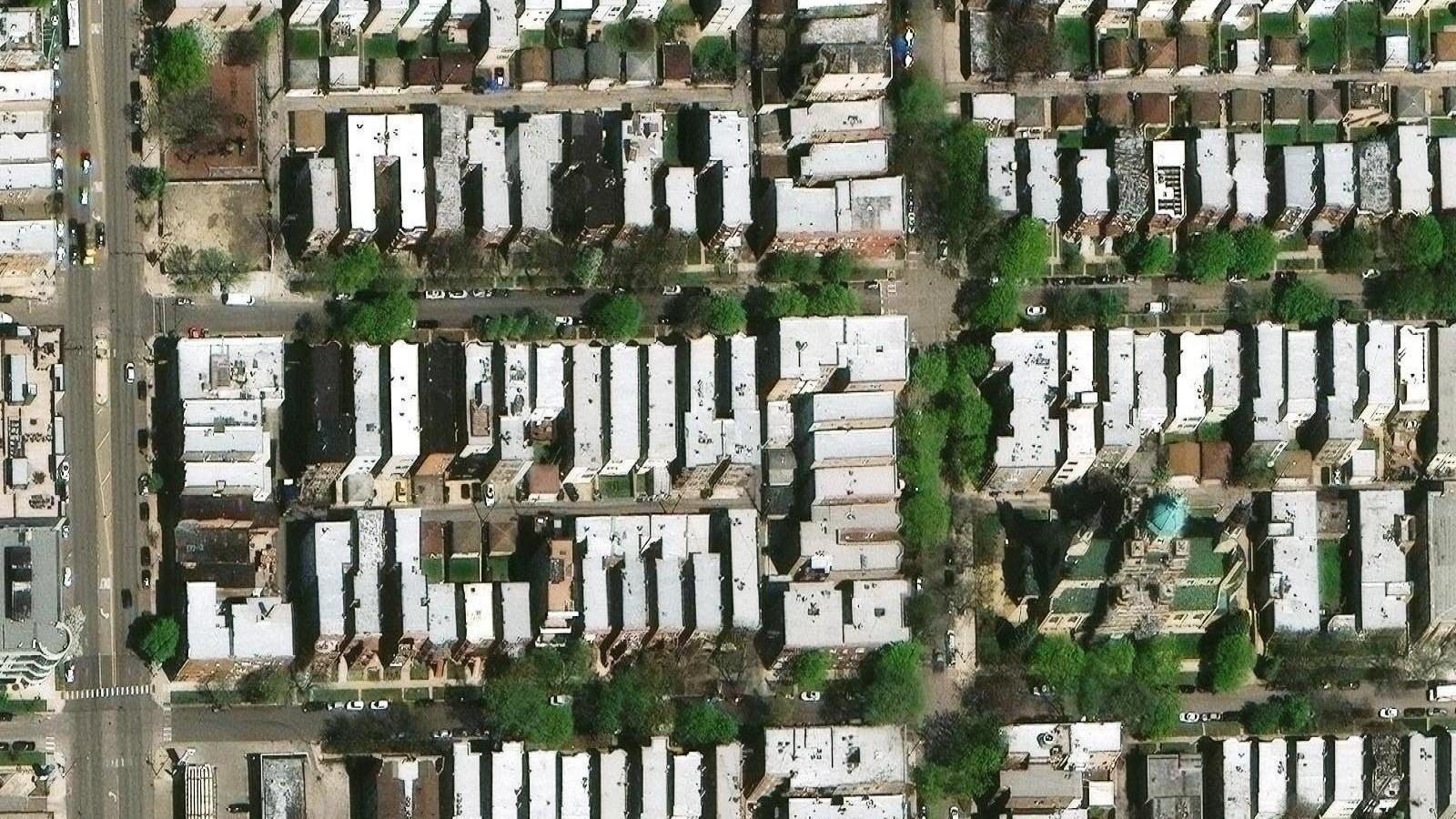 Imagery: Esri World Imagery
The lot is 1.25 m (4.1 ft) narrower than the frontage Bucky reads for RT-4. Many ordinances protect older lots of record, so check that rule before asking for a variance. A detached house here would need use relief, not an area variance.
Cedar Park is live in Bucky. List every shortfall on the application — a variance covers only the standards named in the decision.
Snapshot from Bucky, October 31, 2026. Envelope cited to § 11.03.091. Site coverage and FAR are not extracted for this zone. Tex. Local Gov’t Code §§ 211.008–.009 separate variances from special exceptions.
People file all three under the word variance. Boards and courts treat them very differently.
From the live /zoning-variance page and the statutes it cites. There is no national variance statute; each state enables its own.
The difficulty has to come from the land, such as its size, shape or slope. Wanting a bigger building is not enough.
Bars on a 12.8 m scale. The frontage minimum is as Bucky reads it for RT-4; the side setback rule is the ordinance text. A narrow lot is the kind of physical condition a board weighs. Whether relief is warranted is for the board.
Size, shape, slope or soil that sets it apart from its neighbours.
Splitting a lot too small, or building first, usually counts against you.
Not contrary to the public interest, and true to the spirit of the ordinance.
New York City’s Zoning Resolution 72-21 asks for the minimum variance necessary.
The code’s own word and findings are the ones that count.
From the live /zoning-variance page. Read the current code text for the site before filing.
Each province names the permission and its test differently. Only some ask about hardship.
From the live /minor-variance page and the statutes it cites. Alberta’s Municipal Government Act does not name one instrument; s. 640(6) is the power Calgary calls a relaxation and Edmonton a variance.
If the ask is too big to be relief for one lot, it is a rezoning.
General pattern across Canadian and US cities. Check your city’s process before choosing a route.
No. A setback variance is relief from a dimensional standard. A use variance allows a purpose the zone prohibits. New York defines them separately, and California does not allow a variance to authorize a use the zone does not already allow.
A condition of the land, such as an unusual size, shape or slope, that makes the rule hard to meet. Personal reasons and the wish for a bigger building usually do not count, and a hardship the owner created counts against the request.
Permission for a use the ordinance already names and sends to the board, also called a special or conditional use. Texas lists it as a board power separate from a variance.
No. Relief covers only the standards in the decision. Find every standard the design misses and list them all on the application.
Bucky flags the frontage, area, setback and height rules a lot misses, with each section cited.