The Committee of Adjustment is the City of Toronto’s independent tribunal for small changes to the zoning rules on one property. It hears minor variances, which let a building depart from Zoning By-law 569-2013, and consents, which split or adjust lots. Hearings are public, decisions usually come the same day, and most appeals go to the Toronto Local Appeal Body.
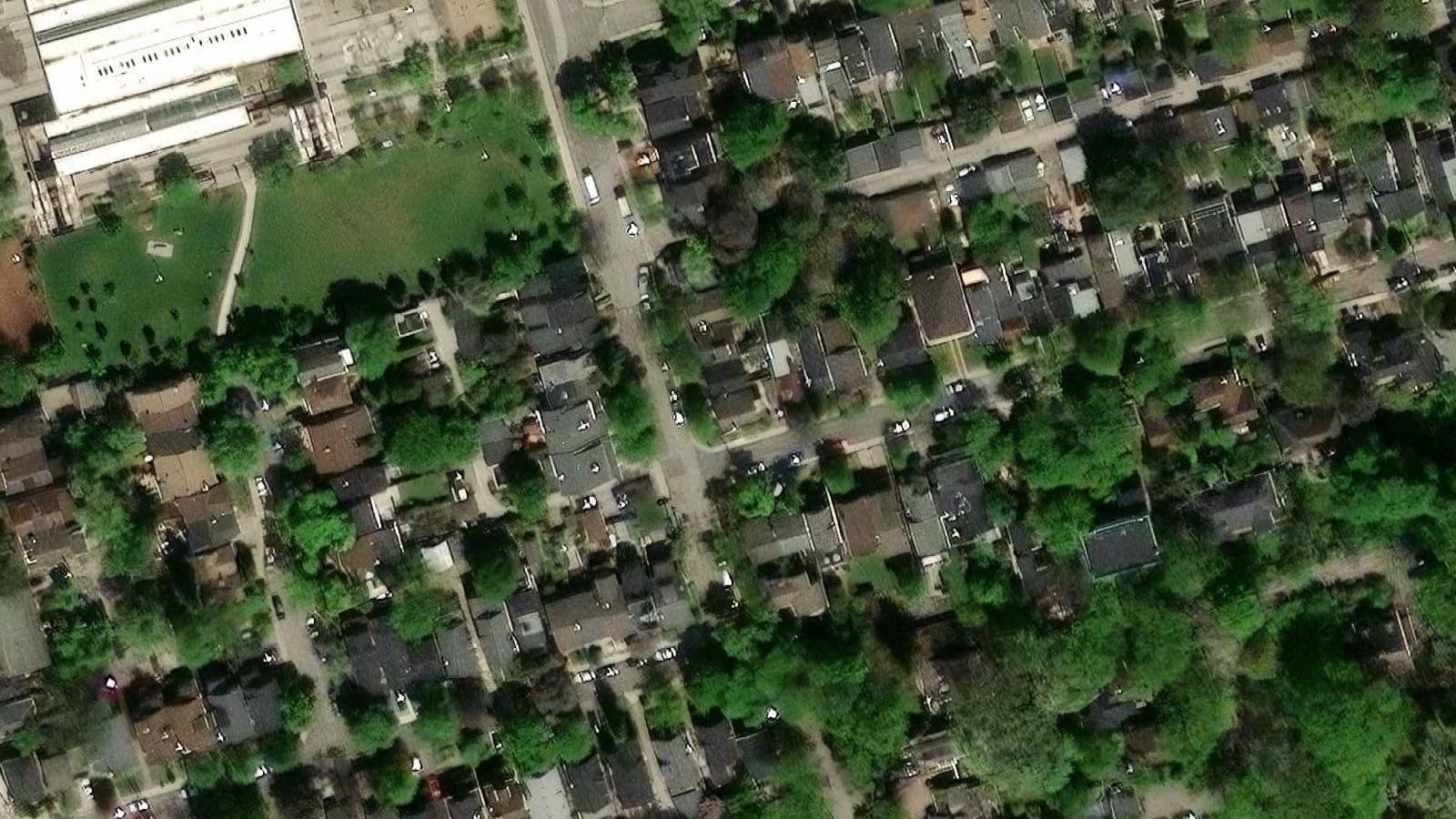 Imagery: Esri World Imagery
Lot facts and section numbers are a live Bucky snapshot of 29 Wychwood Ave (zone R, By-law 569-2013). The requests are an illustration of how an application lists variances, not a filed application. Each rule a design breaks is its own variance on the notice.
Your ward decides which panel hears your application.
The Committee sits as four district panels. Each publishes its own hearing schedule and agendas. Hearings are hybrid: panel members and staff attend in person, and applicants and neighbours can join in person or on Webex. Hearings are broadcast live and posted to the City Planning YouTube channel.
The old city core and East York. 29 Wychwood Ave is heard here.
The west end, from Etobicoke to the former City of York.
North of the core, across the former City of North York.
The east end, across the former City of Scarborough.
Source: City of Toronto, Committee of Adjustment Hearing Agendas and Schedules. Find your district from your ward on toronto.ca.
One bends a rule for a building. The other changes the lot itself.
The Committee also hears applications to extend legal non-conforming uses. Source: City of Toronto, Committee of Adjustment purpose statement.
The Committee has to be satisfied on each one. Failing any one is enough to refuse.
The general intent and purpose of the Official Plan is maintained.
The general intent and purpose of the Zoning By-law is maintained.
The proposal is appropriate for the development of the land or building.
The variance is minor, judged by its impact, not only by its size.
These restate Planning Act section 45(1), as summarized by the City of Toronto. Other provinces use other names and other tests.
Read minor variance, across CanadaMost decided minor variances get an answer the same day they are heard.
The 85-day median wait from application to hearing is Bucky’s, from Toronto open data; the City’s procedure page states no scheduling target. Notice and decision steps are the City’s. The appeal period is set by Planning Act s. 45(12) and printed on the Notice of Decision.
Past results do not predict yours, but they show where the Committee has landed.
Source: Bucky, from Toronto Open Data Committee of Adjustment feeds, data as of November 5, 2026. Approval rate counts approved and refused outcomes only, and hides years with fewer than three decided cases.
Not legal advice. Historical Committee of Adjustment outcomes from public open data; past approval rates do not guarantee future results.
Get the full report by email
We’ll send a PDF with all six project types, area highlights, and methodology, ready to forward to clients or partners.
Paid when you apply. Chapter 441 of the Municipal Code adjusts them every January 1.
Source: City of Toronto, Committee of Adjustment Forms, Submission Guidelines and Fees, checked October 31, 2026. Withdraw before internal circulation and 80% may be refunded; after circulation but before the notice is mailed, 50%. Applications are filed as PDFs by email.
Toronto has its own appeal tribunal for Committee of Adjustment decisions.
City Council created the Toronto Local Appeal Body in 2017 under Municipal Code Chapter 142. Most Committee of Adjustment appeals go there instead of the Ontario Land Tribunal. Since November 28, 2022, neighbours generally can’t appeal: only the applicant, the Minister, specified persons and public bodies can.
The deadline runs from the decision and is printed on the Notice of Decision. Miss it and the right is lost.
The TLAB filing fee, due for each appeal filed.
The TLAB has 14 members, including a Chair and Vice-Chair. Each hearing has one.
TLAB holds remote hearings for all matters until further notice.
Source: City of Toronto, Toronto Local Appeal Body and Filing an Appeal pages, checked October 31, 2026.
The median wait from application to hearing is 85 days in Toronto open data. The decision usually comes at the hearing, then there is a 20-day appeal window before it is final.
There is no fixed percentage. The Committee looks at the impact on neighbours and the street as well as the size of the change, and the variance must also pass the other three tests.
Generally no, since November 28, 2022. Neighbours can still write in or speak at the hearing. Only the applicant, the Minister, specified persons and public bodies can appeal.
If the use is allowed and the design misses a few numeric rules, a variance is the usual path. If the zone does not allow the use or the change is large, it is a rezoning.
See the setbacks, height and floor space index for a Toronto lot, with each section cited.